
Types of Shelves: How to Choose the Right Shelving for Your Home
When it comes to interior design, shelving is one of those elements that does double duty - it's both highly functional and a serious design statement. The right shelves can transform a blank wall into a focal point, showcase your favorite pieces, and keep a space feeling organized and intentional. The wrong ones? They can feel cluttered, mismatched, or like an afterthought.
At Marc Pridmore Interiors, we've helped hundreds of Orange County homeowners find the perfect shelving solutions for their spaces. Whether you're designing a custom library, styling a living room wall, or refreshing a home office, understanding the different types of shelves is a great place to start.
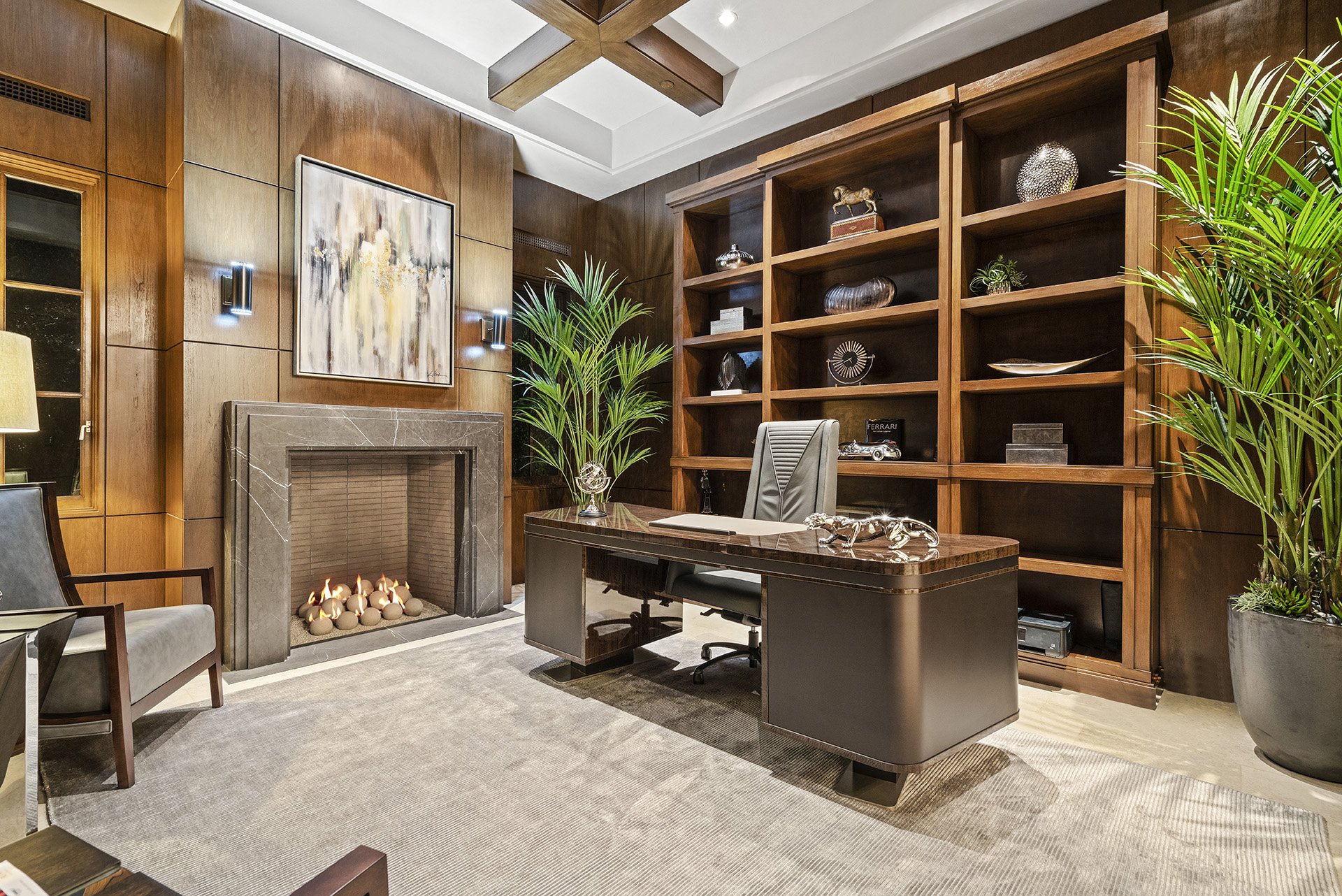
Floating Shelves
Floating shelves are one of the most popular choices in modern and contemporary interiors - and for good reason. They're mounted directly to the wall without any visible brackets, giving them a clean, seamless look. They work beautifully in living rooms, kitchens, and bathrooms, and they're endlessly versatile in terms of finish and material.
The key to making floating shelves look polished (rather than like a quick DIY project) is spacing, styling, and material quality. Thick solid wood or stone shelves feel substantial and luxurious, while thinner profiles read more minimalist and modern. Open shelving in kitchens, in particular, can be a beautiful way to blend function with display - something we explore in depth in our kitchen remodel trends guide.
Built-In Shelving
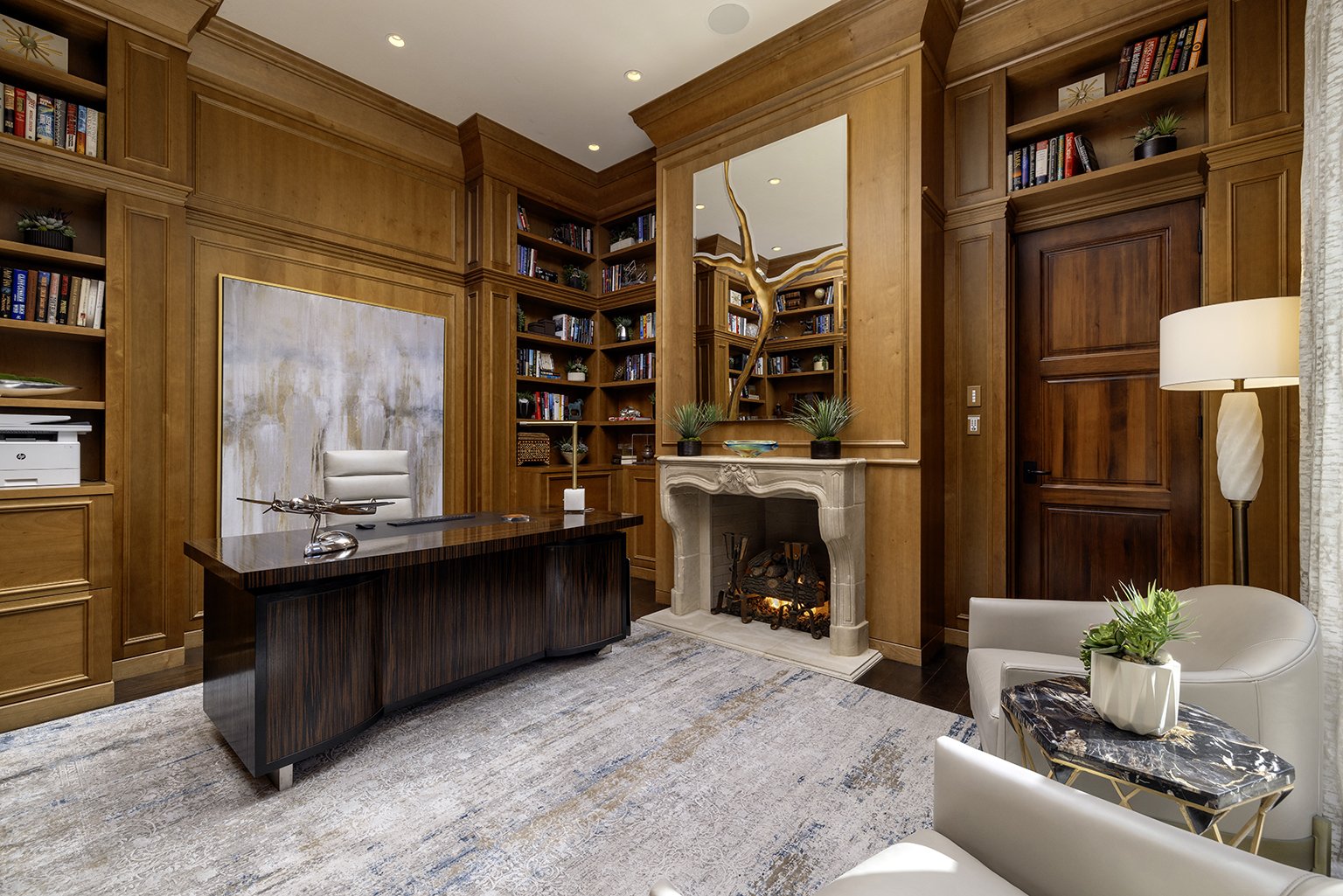
If you want shelving that truly looks like it was always meant to be there, built-ins are the gold standard. Custom built-in bookshelves or cabinetry can frame a fireplace, fill an alcove, or line an entire wall - and they add real value to your home.
Built-ins work across virtually every style: traditional, transitional, coastal, contemporary. The magic is in the details - the trim, the finish, the hardware, and how the shelves are styled once they're installed. This is where working with an interior designer really pays off.
Open Shelving Units
Freestanding open shelving - think etageres, ladder shelves, and open bookcases - offers flexibility that built-ins don't. You can move them, restyle them, and take them with you if you move. They're a great option for renters or anyone who wants to test out a look before committing.
In luxury interiors, we often use statement freestanding shelves as functional art - a beautifully crafted etagere in a dining room or a sculptural bookcase in a study can be just as eye-catching as a piece of furniture. For more on choosing statement pieces for your home, our high-end furniture selection guide is a great resource.
Corner Shelves
Corners are notoriously tricky in interior design - they're easy to overlook, and when left empty, they can make a room feel incomplete. Corner shelves (either floating or freestanding) are a smart solution that makes use of otherwise wasted space.
In smaller rooms, corner shelves are especially useful because they add storage and display space without encroaching on the main living area. Style them with a mix of heights, textures, and greenery to keep things looking intentional rather than overcrowded.
Glass Shelves
Glass shelves have a lightness and elegance that works particularly well in spaces where you don't want shelving to visually dominate - a bathroom, a home bar, or a display niche. Because glass doesn't visually 'add weight,' it keeps things feeling airy and open.
Backlit glass shelves are a beautiful touch in high-end interiors, especially for displaying art glass, crystal, or barware. The light adds warmth and drama without overwhelming the space.
Industrial and Metal Shelving
For more casual, urban, or eclectic interiors, metal and industrial-style shelving brings texture and a sense of character. Pipe shelves, welded steel frames, and mixed metal-and-wood units work especially well in kitchens, home offices, and loft-style spaces.
Even in a luxury context, industrial shelving can be the perfect counterpoint to softer furnishings - the contrast between rough-hewn metal and plush upholstery or delicate accessories creates a tension that feels intentional and sophisticated.
How to Choose the Right Shelving for Your Space
The best type of shelving for your home depends on three things: your style, your space, and how you intend to use it. Here are a few questions to consider:
Is this primarily functional (storage) or decorative (display)?
What's the scale of the room? Large rooms can handle floor-to-ceiling built-ins; smaller rooms may need lighter, more open solutions.
What's your existing aesthetic? The shelving should feel like a natural extension of your interior, not a separate purchase.
Are you looking for something permanent and custom, or flexible and moveable?
At Marc Pridmore Interiors, we love helping clients think through these decisions - and then sourcing or custom-designing shelving that fits their space beautifully. If you're ready to elevate your home's storage and style, we'd love to help. You might also find inspiration in our guide to designing a luxury primary bedroom, where built-ins and display shelving play a starring role.
Visit our Costa Mesa showroom or you can contact us today to schedule a consultation.